
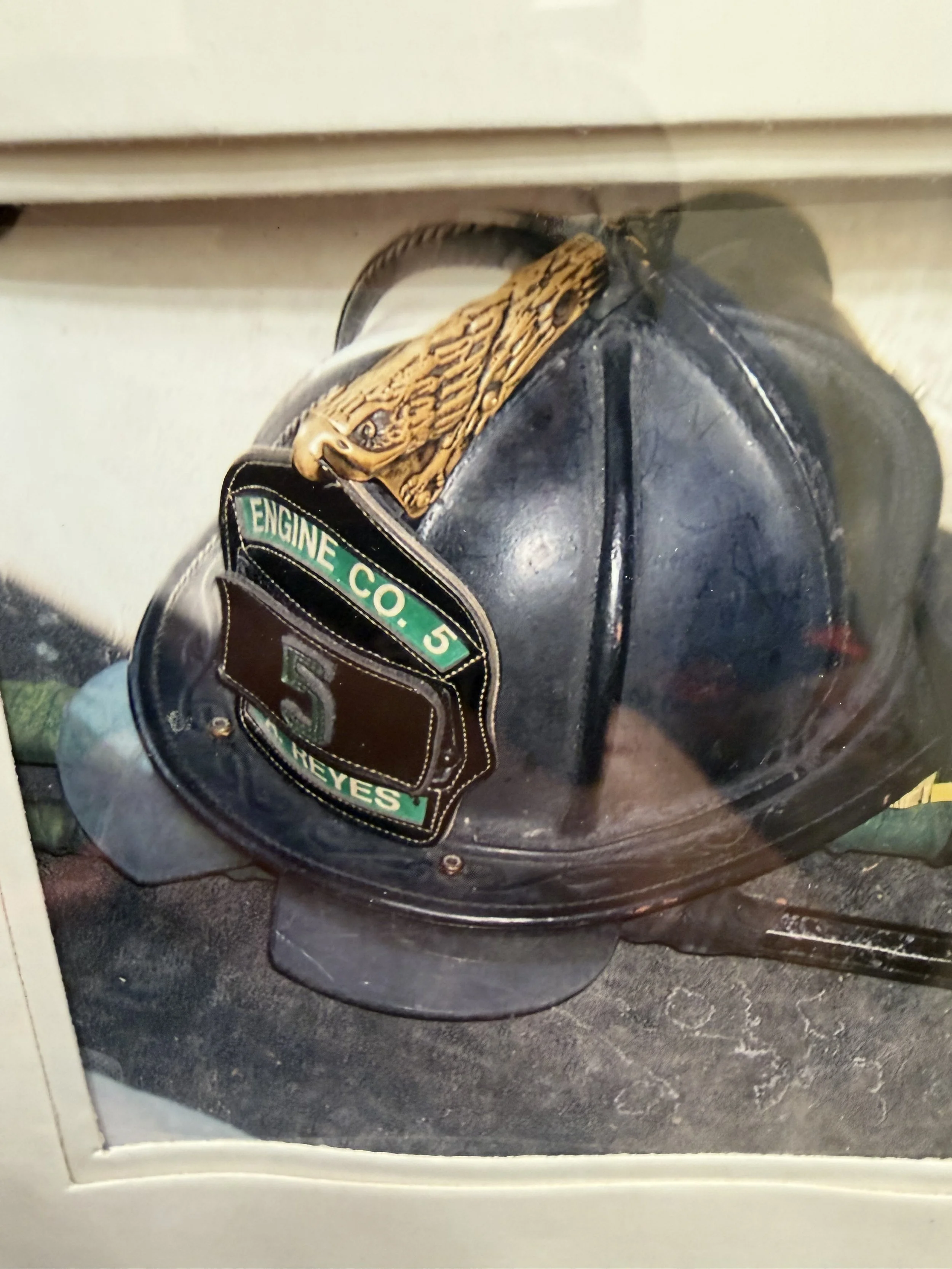
Be the Hero of Your Own Story
There comes a point in life when you have to decide whether you’re going to continue living inside the story that has already been written for you, or whether you’re going to take ownership of what comes next.
I’ve had a lot of chapters in my life, and not all of them were chapters I would have chosen.
Before the Army, I was a firefighter. I pursued specialty certifications and tactical training because I wanted to become as capable as I could be. That same mindset eventually led me into the military, where I became a Combat Medic and deployed to Afghanistan.
While I was in Afghanistan, I was battlefield promoted from Corporal to Sergeant. I continued progressing on active duty and was subsequently promoted to E-6, Staff Sergeant, within six years of joining the Army. While serving on active duty, I also completed my bachelor’s degree, and later went on to earn my master’s degree. I didn’t spend a penny of my own money on either.
I was constantly trying to become better, more capable, and more useful.
But life has a way of reminding you that capability isn’t just about what you can accomplish. Sometimes it’s about what you’re able to endure.
I became seriously ill with ulcerative colitis. What started as something I thought I could manage eventually became something that completely changed my life. After years of fighting it, I ultimately had to have my colon removed. That meant three abdominal surgeries, the removal of my colon and rectum, and the creation of a J-pouch.
There is a particular kind of humility that comes from having your own body become the thing you’re fighting against.
I had spent years training to be physically capable. I had served in the military. I had worked in the fire service. I had built myself through education and experience. And then I found myself having to learn how to rebuild my own body and my own life.
That experience changed the way I look at health forever.
When you lose something you assumed you would always have, you stop taking capability for granted.
After leaving active duty, I returned to the fire department in Savannah, Georgia. It was an interim chapter while I waited for the next opportunity, which eventually came with the Department of State.
I spent five years there teaching operational medicine and tactics and continuing to develop my experience and expertise. By 2024, I had built a career that I was proud of. I had education, experience, certifications, leadership, and a career that provided stability and security.
But eventually, I realized something.
I was done with ceilings.
And that’s an important distinction.
I didn’t leave the Department of State because I had to.
I wasn’t fired.
I wasn’t incapable of continuing.
I wasn’t running away from something bad.
I left because I wanted to write the next chapters of my life on my terms.
I had spent years working inside organizations and helping build other people’s missions. I was grateful for everything those experiences had given me, but I wanted to see what my own effort could produce.
I wanted to see the fruit of my own work.
I wanted my ideas, my experience, my sacrifice, my creativity, and my work ethic to build something that belonged to me.
So I stepped away from the comfortable path and started Tribe Fitness.
From zero.
There wasn’t an established brand waiting for me. There wasn’t a giant organization behind me. There was no guarantee that it was going to work.
There was just a vision and the willingness to put everything I’d learned into building it.
And building something from nothing is hard.
Really fucking hard.
But there’s something incredibly rewarding about knowing that every piece of it exists because you were willing to build it. The early mornings, late nights, financial risk, mistakes, setbacks, decisions, and sacrifices all become part of something you own.
I wanted ownership.
Ownership of my schedule.
Ownership of my decisions.
Ownership of my direction.
Ownership of my failures.
Ownership of my successes.
And ultimately, ownership of my life.
I wanted to make myself the asset.
That’s a lesson my illness taught me, too.
Your health is an asset.
Your physical capability is an asset.
Your knowledge is an asset.
Your skills are an asset.
Your experience is an asset.
Your ability to adapt when life punches you in the mouth is an asset.
And the more you invest in those things, the more capable and independent you become.
That’s a huge part of why I believe so strongly in what we do at Tribe.
I don’t want to create people who are dependent on a trainer, a machine, a program, or somebody else to tell them what they’re capable of.
I want to create capable people.
People who understand their bodies.
People who are strong enough to take care of themselves.
People who have the confidence to make decisions.
People who can handle adversity.
People who understand that taking ownership of your health gives you more options in life.
Because the more capable you are, the more freedom you have.
And that philosophy extends beyond fitness.
I’ve intentionally surrounded myself with people who believe in themselves, who work hard, who take action, and who are willing to bet on themselves. People who aren’t waiting around for somebody to give them permission to become better.
And the people who don’t believe?
Fuck the doubters.
They don’t have to understand your vision.
They don’t have to believe you’re capable.
They don’t have to understand why you left something comfortable.
They aren’t responsible for living your life.
You are.
I’ve learned that sometimes the biggest risk isn’t leaving something bad.
It’s leaving something good enough because you know you’re capable of more.
That’s what I did.
I took everything that had happened to me—the good, the bad, the education, the military, the fire service, the illness, the surgeries, the Department of State, the successes, the failures—and I stopped looking at those things as separate pieces of my life.
They’re all part of the same story.
None of them were wasted.
Even the chapters I wouldn’t have chosen taught me something.
My illness taught me what health really means.
The military taught me discipline and responsibility.
The fire service taught me service and capability.
My education taught me how to learn.
The Department of State taught me how to lead, teach, and operate at a high level.
And entrepreneurship has taught me ownership.
But there’s still something bigger I’ve learned.
You don’t have to remain the person your circumstances created.
You can decide who you become.
Maybe you’ve been through something that changed you.
Maybe you’ve made mistakes.
Maybe you’ve spent years working for someone else.
Maybe you’ve convinced yourself that it’s too late to change.
Maybe you’ve let other people’s opinions become your limitations.
I understand that.
But your past doesn’t have to be the ending.
You can start taking ownership today.
You can take control of your health.
You can change your habits.
You can learn.
You can build.
You can surround yourself with better people.
You can take a risk.
You can start something.
You can become someone you respect.
You don’t need to know exactly what the next ten years look like. You don’t even need to know exactly what the next year looks like.
You just need to decide what you’re going to do with today.
That’s what I did.
I didn’t know exactly what Tribe would become when I started it.
I just knew I was done waiting for somebody else to determine what my life could become.
I wanted to build something from nothing.
I wanted to share my story.
I wanted to take everything I’d learned and use it to help other people become more capable.
And I wanted to write the next chapters under my own terms.
So I made myself the asset.
And I’m still building.
Because becoming the hero of your own story doesn’t mean you never struggle. It doesn’t mean you never fail. It doesn’t mean everything suddenly becomes easy.
It means you stop allowing those things to determine the ending.
You take what life gave you.
You learn from it.
You rebuild.
You get stronger.
And you decide what comes next.
I’ve had parts of my life taken away from me that I couldn’t control.
But I learned that I could control what I did with what was left.
That’s where ownership begins.
You don’t have to wait for someone else to save you.
You don’t have to wait for permission.
You don’t have to wait until everything is perfect.
You can pick up the pen right now.
Your health.
Your career.
Your relationships.
Your business.
Your future.
Your life.
They’re yours to build.
I spent years building other people’s missions.
I’m grateful for every one of those chapters.
But eventually, I decided it was time to build my own.
From zero.
On my terms.
And I’m not finished yet.
Neither are you.
Don’t let your past write your ending.
Don’t let someone else’s ceiling become your limit.
Don’t let the doubters decide what you’re capable of.
Make yourself the asset.
Take ownership of your life.
And start writing the next chapter.
Be the hero of your own story.
– Aaron Reyes / Owner Tribe Fitness Exclusive Training
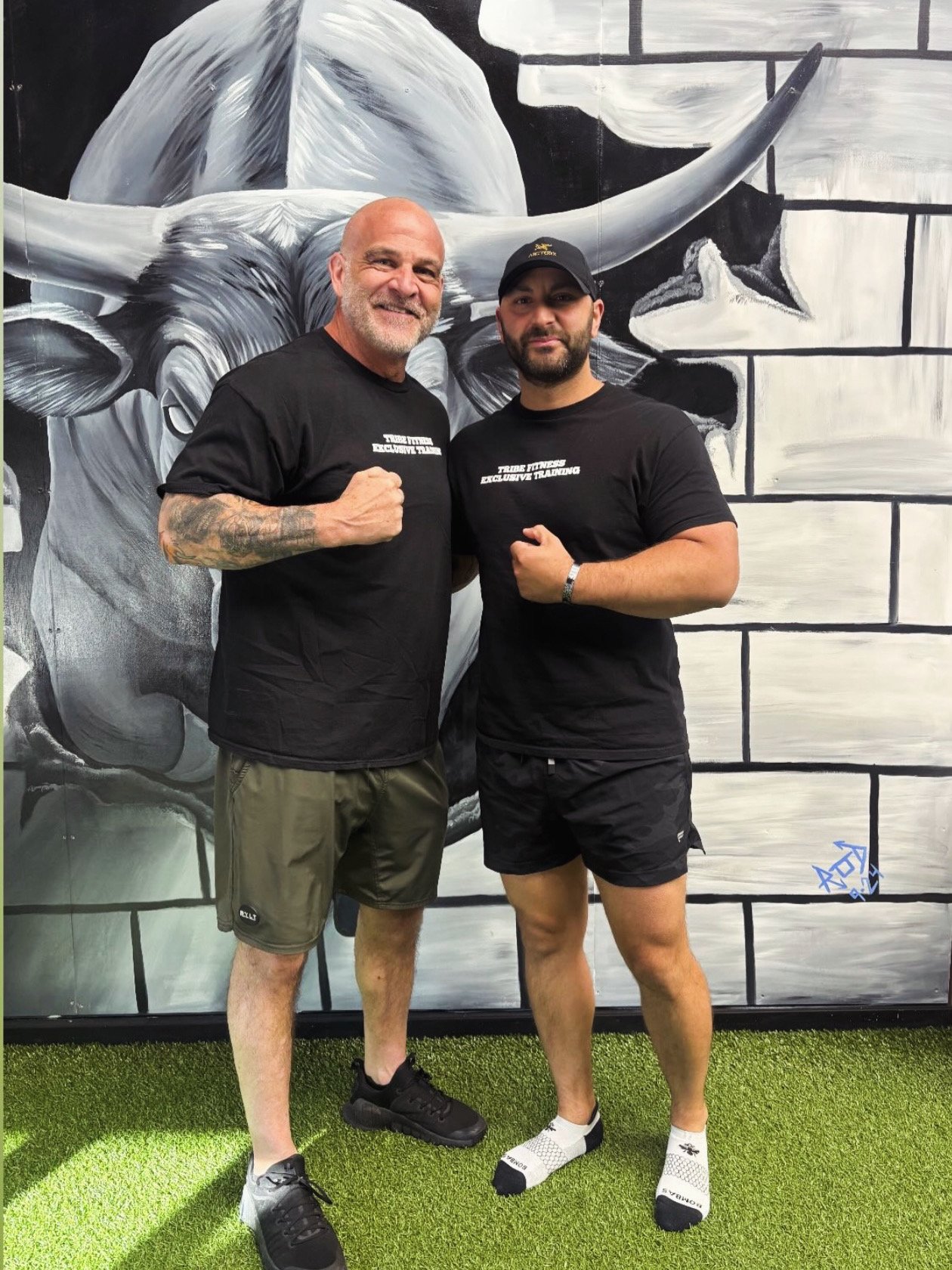
More Than an Hour: The Real Value of Professional Coaching.
Professional coaching is more than the 60 minutes you spend with your trainer. It’s the years of education and experience, the programming, preparation, progression, assessment, and problem-solving that happen before and after you ever walk through the door. In an industry crowded with marketing, inflated titles, and questionable claims, we believe high-level coaching should be measurable, intentional, and evident in the people being coached. At Tribe Fitness, we don’t sell an hour—we invest in developing people.
There is something I have been thinking about lately that I believe is important to address—not just as the owner of Tribe Fitness, but as someone who has spent years developing a career in this profession.
There is a fundamental difference between personal training and professional coaching. I don’t say that to diminish personal trainers or suggest that everyone needs to train the same way we do. I say it because I think the fitness industry has done a poor job communicating what professional coaching actually involves, and as a result, the value of the service is often reduced to the sixty minutes a client spends physically standing in front of their coach.
The hour is only the visible part of the service.
When a client walks through the door, there has already been work done. There has been programming. There has been preparation. Previous sessions have been reviewed. Progress has been evaluated. Exercises have been selected. Loads have been considered. Decisions have been made about what should happen next. During the session, the coach is observing movement, managing intensity, making adjustments, providing feedback, and collecting information. After the client leaves, that information becomes part of the next decision.
That is coaching.
Professional coaching requires an understanding of the human body, biomechanics, movement mechanics, exercise selection, progression and regression, loading, recovery, adaptation, and individual differences. It requires education, experience, continued learning, and the ability to apply all of that knowledge to an actual human being who does not necessarily respond to training exactly the way a textbook says they should.
It also requires preparation.
I train approximately 35 hours a week in individual and couples sessions. Those hours account for essentially my entire available coaching schedule. But coaching is only one part of what I do. Outside of those sessions, I am working on programming and progression tracking, client communication, lead follow-up, invoicing, bookkeeping, finances, marketing, social media management, business administration, facility operations, and everything else required to keep a small business functioning.
That work doesn’t stop because the last client walked out the door.
And I’m not unique in that regard. I see the other coaches at Tribe Fitness doing the same thing. They prepare for their clients. They think about their programming. They discuss client development. They communicate with one another. They continue developing their own skills. They put thought into what happens next.
A professional coaching business is not simply a room where someone exchanges sixty minutes of their time for a payment.
There is an enormous amount happening behind the scenes.
I think this distinction becomes particularly important in an industry that is incredibly saturated. Fitness is full of noise. There are influencers, personalities, self-proclaimed experts, online programs, weekend certifications, performance coaches, strength coaches, movement specialists, and people who have become very good at marketing themselves.
And marketing is not the same thing as expertise.
I’ve seen this firsthand, including within the industry and within my own facility. I’ve seen people describe themselves as exceptional trainers while their clients demonstrate little measurable progression. I’ve seen programming that changes constantly without much apparent structure or continuity. I’ve seen exercises appear once and then disappear for months, making it difficult to identify what is actually being progressed or evaluated. I’ve seen people describe themselves as having a full book of clients, only to discover that they actually have a handful of consistent clients.
None of those things automatically make someone a bad coach. A coach can have three clients and be an exceptional professional. A coach can use a very simple program and still be extremely effective.
The point is that there should be some alignment between what someone says they are providing and what the work actually demonstrates.
If you describe yourself as an exceptional strength coach, I should be able to see strength developing. If you describe yourself as an athletic development coach, I should be able to see improvements in athletic qualities. If you describe yourself as a movement specialist, I should be able to see changes in movement. If you describe yourself as an expert programmer, your programming should demonstrate intention, structure, progression, and continuity.
High-level coaching should leave evidence.
That doesn’t mean every client needs to become an elite athlete or completely transform their body. It means there should be a process. There should be a reason behind what is being done. There should be progression. There should be adaptation. There should be some way of knowing whether the work is actually accomplishing what it was intended to accomplish.
I think our area in particular has seen professional, high-level training become somewhat oversold in marketing while remaining undersupplied in reality. There are plenty of people selling the idea of high-level coaching. There are fewer people consistently delivering what I believe high-level coaching actually requires.
And this is where I also think we need to have a conversation about price.
I don’t believe professional coaching should be treated like a commodity where the primary question is simply, “How much do you charge for an hour?”
The better question is, “What am I actually receiving for that investment?”
You are receiving the hour, certainly. But you are also receiving the education and experience behind the coach. You are receiving the programming. The preparation. The progression. The accountability. The assessment. The communication. The thought process. The problem solving. The years it took for that coach to develop the ability to make good decisions.
There is a tremendous amount of work happening when you aren’t looking.
And I think clients sometimes forget that this is our profession.
This is how the lights stay on in the gym. This is how the bills get paid. This is how coaches put food on their tables and support their families. This isn’t something we do for an hour and then go home.
When a professional service is provided, timely payment matters. It isn’t simply an administrative inconvenience when an invoice is consistently paid late. For a small business, those payments are directly connected to payroll, rent, utilities, equipment, insurance, taxes, operating expenses, and the ability to continue providing the service.
There is a person behind the business.
There is a family behind the person.
There are employees, contractors, and other professionals whose livelihoods are connected to the ability of the business to operate.
Respecting the service also means respecting the business that provides it.
That doesn’t mean clients owe us blind loyalty or that every coach deserves to be paid whatever they decide to charge. The market should determine value, and clients should absolutely expect professionalism in return for their money.
But professionalism has to work both ways.
We should show up prepared. We should deliver what we promised. We should continue learning. We should track progress. We should communicate. We should care about outcomes.
And clients should recognize that the service they are purchasing is a professional service—not simply an hour of someone’s time.
I also believe professional coaching has a much larger role to play in society than we sometimes give it credit for.
Good coaching is preventative.
We help people build strength before they lose it. We help maintain mobility before it becomes limited. We develop cardiovascular capacity, physical resilience, coordination, balance, and confidence. We help people remain capable of doing the things they want to do as they get older.
There is tremendous value in helping someone avoid problems before those problems become medical problems.
We live in a society where enormous amounts of money are spent managing the consequences of poor health. There are entire industries that benefit from people being less active, less capable, and less healthy.
Our business model is fundamentally different.
The better we do our job, the more capable our clients become.
Ideally, they become less dependent on us—not more.
That is something I am proud of.
At Tribe Fitness, this is also why I have built the facility the way I have. I didn’t want to create a place where someone walks through the door, gets handed a workout, and is essentially thrown to the wolves to figure it out.
I wanted a professional environment.
I wanted coaches who take the craft seriously.
I wanted people with different backgrounds and areas of expertise who could collaborate, challenge one another, discuss clients, troubleshoot problems, and continue developing their own skills.
Our coaches aren’t expected to know everything. They are expected to continue learning.
We talk about client development. We talk about programming. We talk about progression. We share ideas. We challenge each other’s thinking.
Because the objective isn’t simply to make a workout harder.
The objective is to make the person better.
That is the standard I hold myself to, and it is the standard I expect from the professionals who work alongside me.
I don’t expect every coach to have the same education. I don’t expect everyone to have the same certifications. I don’t expect everyone to use the same methodology, and I certainly don’t expect everyone to coach exactly the way I do.
But I do expect professionalism.
I expect preparation.
I expect intentional programming.
I expect progression.
I expect accountability.
And I expect the coach to know what they are doing, why they are doing it, and where their client is going next.
Because if you are going to call yourself a high-level professional, there should be evidence.
Your clients should be evidence.
Your programming should be evidence.
Your preparation should be evidence.
Your knowledge should be evident.
Your results should be evident.
The work should speak.
That is ultimately what I believe professional coaching should be.
Not simply someone standing next to you for an hour.
Not a collection of exercises pulled together because they look good on Instagram.
Not a title.
Not a social media following.
Not a claim that you are “elite.”
It is the combination of knowledge, experience, preparation, programming, observation, progression, communication, and the ability to consistently produce meaningful outcomes for the people who trust you with their health and physical development.
That is a profession.
And I believe it deserves to be treated like one.
At Tribe Fitness, we aren’t interested in being the cheapest option. We aren’t interested in racing to the bottom. We are interested in providing professional coaching at a fair price for the level of expertise, preparation, individualization, and attention our clients receive.
Because we aren’t selling an hour.
We’re developing people.
And there is a tremendous amount of work that goes into that.
— Aaron Reyes
Founder & Head Coach, Tribe Fitness Exclusive Training
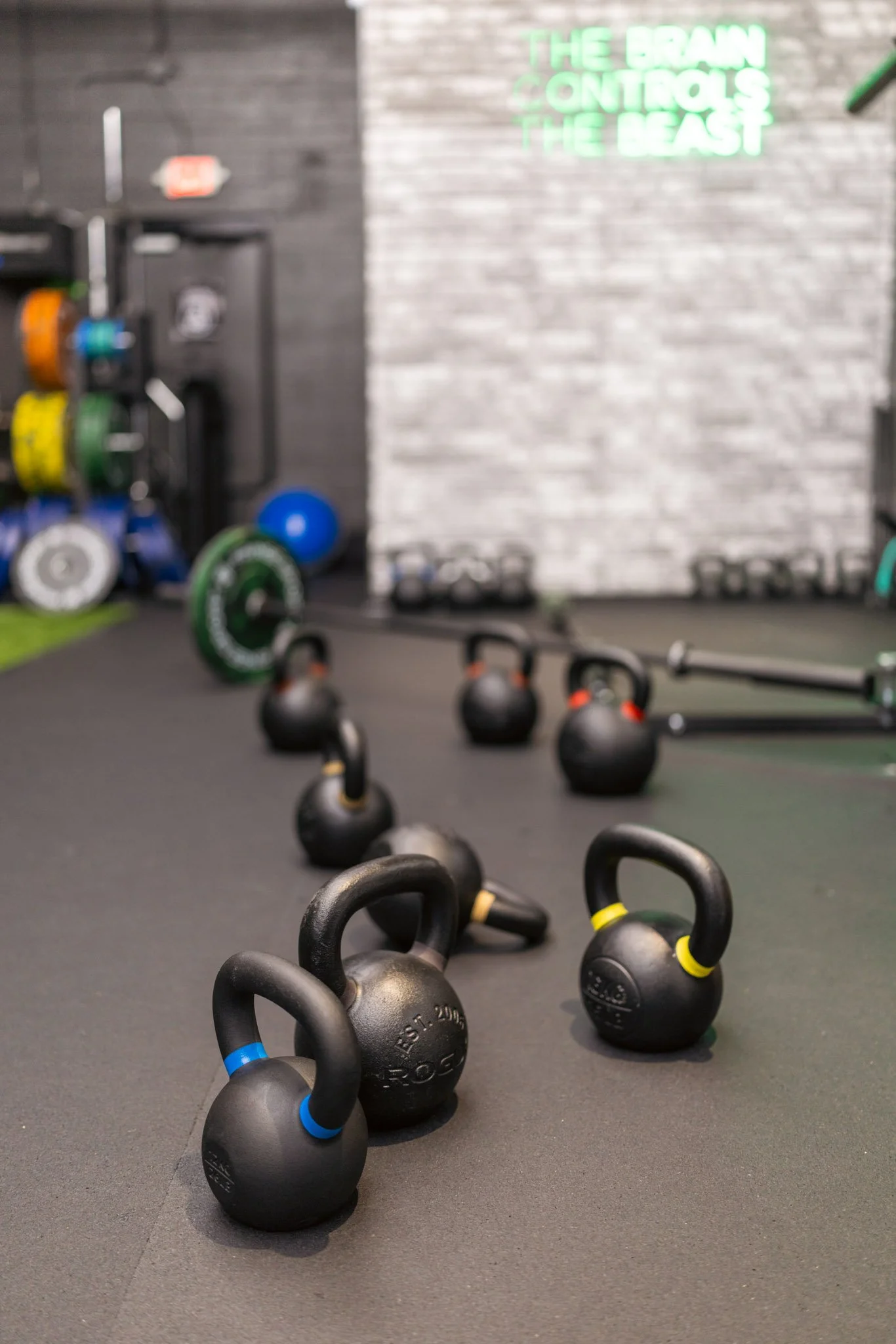
Personal Training in Midlothian, VA: What to Look for in a Personal Trainer
Looking for personal training in Midlothian, VA? Learn what to look for in a personal trainer, what quality coaching should provide, and how individualized training can help you reach your goals.
Choosing a personal trainer is about more than finding someone who can put together a workout.
If you’re looking for personal training in Midlothian, VA, you have plenty of options. The harder part is figuring out which coach is actually going to understand your goals, assess where you are starting, and build a plan that makes sense for you.
A good personal trainer should do more than count your repetitions. They should be able to explain why you’re doing what you’re doing, how your program will progress, and how your training will adapt as you improve.
At Tribe Fitness Exclusive Training, we believe personal training should be exactly that: personal.
What Should You Look for in a Personal Trainer?
The right personal trainer should be able to do more than demonstrate exercises and count repetitions. They should understand how to evaluate where you are starting, identify what you need, and build a training plan that progresses with you.
Here are a few things I recommend looking for when choosing a personal trainer in Midlothian, VA.
1. Individualized Programming
Your training program should be built around you.
Your goals, training history, movement abilities, schedule, limitations, and experience should all influence how you train. A good coach shouldn’t simply hand you the same workout they’re giving everyone else.
2. A Clear Plan for Progress
Training should have direction.
You should understand what you’re working toward and how your coach intends to get you there. That doesn’t mean every workout needs to be identical or predictable. It means there should be a reason behind the exercises, loading, volume, and progression.
3. Coaching, Not Just Supervision
There’s a difference between having someone watch you exercise and actually being coached.
A good trainer should be paying attention to technique, movement quality, effort, progression, and how you respond to training. They should be able to make adjustments when something isn’t working instead of simply moving on to the next exercise.
4. Experience and Continuing Education
Certifications are important, but they are only part of the picture.
Look for a trainer who continues to learn, understands the principles behind training, and can explain those principles in a way that makes sense to you. Experience should show up in the quality of the coaching, not just on a résumé.
5. Accountability
Even the best program won’t work if you don’t follow through.
Personal training should provide structure and accountability while helping you become more capable and confident over time. The goal isn’t to make you dependent on your trainer. The goal is to help you build the skills and habits that allow you to keep progressing.
Private Personal Training vs. a Commercial Gym
There is nothing inherently wrong with a commercial gym. For some people, having access to a large facility and training independently is exactly what they need.
But personal training is different.
When you choose a private personal training facility, you’re paying for more than access to equipment. You’re paying for coaching, structure, accountability, and an environment designed around your training experience.
At Tribe Fitness Exclusive Training, our facility is intentionally different from a traditional commercial gym.
You aren’t competing for equipment during your session. You aren’t following a generic program from an app. And you aren’t left trying to figure out what to do next.
Your coach knows your goals, your program, your progress, and the work you’ve already completed.
That allows each session to have a purpose.
For some clients, that means building strength. For others, it may mean losing body fat, building muscle, improving conditioning, returning to training after time away, or simply becoming more capable in everyday life.
The common denominator is individualized coaching.
A private training environment also creates a different experience. It’s quieter, more focused, and built around the people who are actually there to train.
That’s particularly valuable for people who feel uncomfortable or overwhelmed in a traditional gym environment.
You don’t have to know exactly what you’re doing before you walk through the door.
That’s part of what you’re hiring a coach to help you with.
Who Is Personal Training Right For?
Personal training isn’t only for people who are already fit.
In fact, some of the people who benefit most from individualized coaching are the people who aren’t sure where to start.
You may be someone who has tried to get consistent with exercise but never found a program you could stick with. You may have spent years training on your own and feel like your progress has stalled. You may want to lose body fat and build muscle but aren’t sure how to structure your training. Or you may simply want to get stronger and feel more capable as you get older.
Personal training can provide the structure and expertise to help you move forward.
At Tribe, we work with people at different stages of their training journey. The starting point isn’t how fit you are. It’s understanding where you are now and where you want to go.
From there, your coach can build a training approach that makes sense for you and adjust it as you progress.
What Should You Expect From Personal Training at Tribe?
Your first step isn’t being thrown into a random workout.
We start by learning about you, your goals, your training history, and what you need from your coaching experience. From there, we develop a plan and use your training sessions to build measurable progress over time.
That might mean getting stronger, improving body composition, developing better movement, increasing conditioning, or simply becoming more confident in the gym.
The goal is not to make every workout exhausting.
The goal is to make every workout useful.
Finding the Right Personal Trainer in Midlothian, VA
Choosing a personal trainer is ultimately about finding the right fit.
You want someone who understands your goals, communicates clearly, pays attention to the details, and has a process for helping you improve. You should feel like your training has direction—not like you’re simply completing another workout.
At Tribe Fitness Exclusive Training, our approach is built around individualized coaching, purposeful programming, and measurable progression.
We’re a private personal training facility in Midlothian, VA, serving clients who want a more focused alternative to the traditional commercial gym.
If you’re looking for personal training in Midlothian and aren’t sure where to start, we’d be happy to have a conversation about your goals and determine whether Tribe is the right fit for you.
Book a free consultation and let’s talk about your goals, where you want to go, and whether Tribe is the right fit for you.
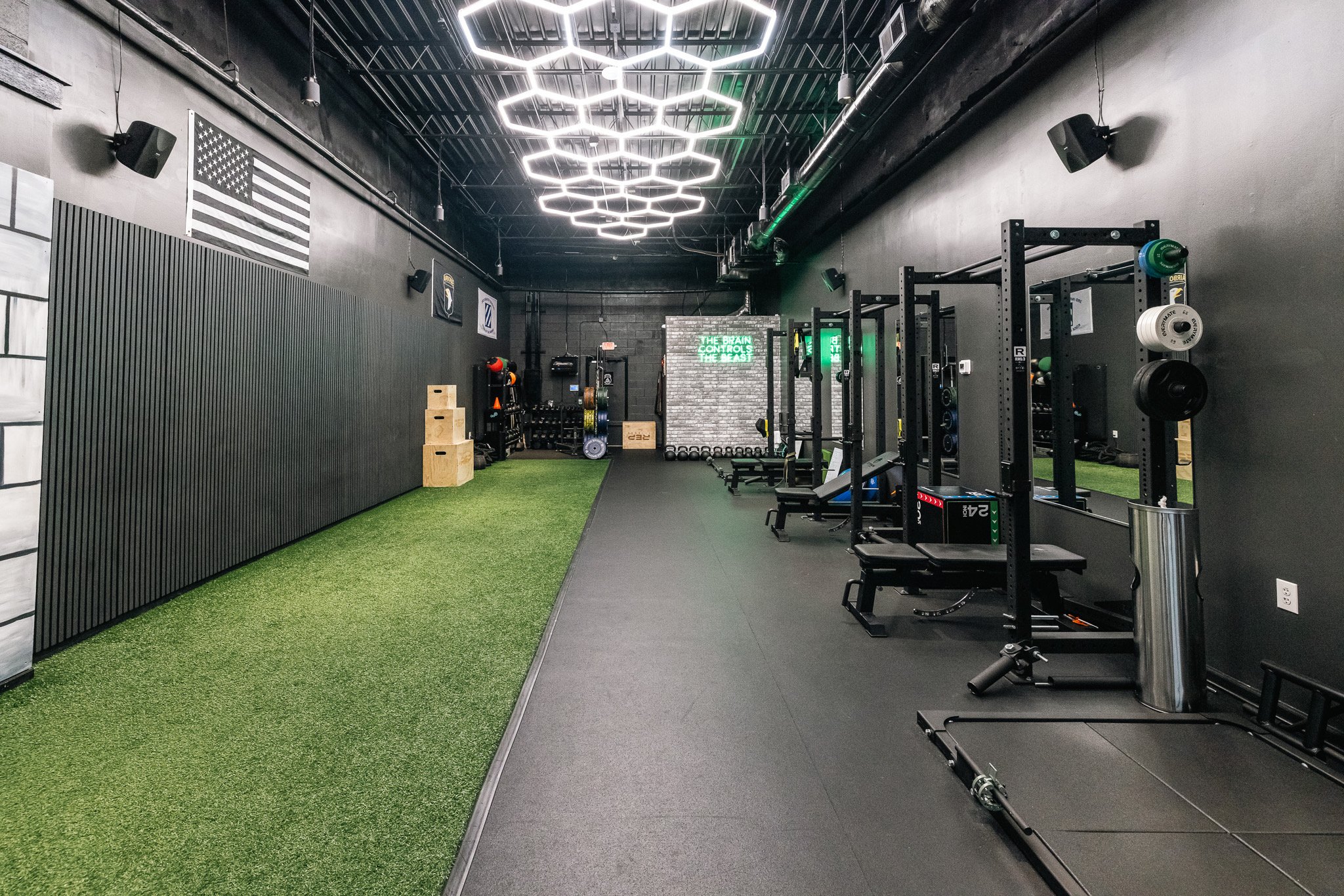
What Luxury Really Means
Luxury isn’t something you buy for a gym.
It’s something your clients feel.
The equipment matters. A clean facility matters. But the things people remember years later are much simpler: being greeted by name, having someone remember their story, and knowing they’re more than just the next appointment on the schedule.
The word luxury gets used a lot in the fitness industry.
Sometimes it’s a cold plunge. Sometimes it’s a sauna, a recovery room, premium merchandise, or expensive finishes. Those things can certainly improve a facility, and I appreciate a well-designed training environment as much as anyone.
But over the years, I’ve come to think that luxury has much less to do with what fills a room and much more to do with how a person feels while they’re in it.
To me, luxury is being greeted by name when you walk through the door.
It’s someone remembering that you mentioned your daughter was due this month.
It’s asking how your elbow has been feeling since last week’s session.
It’s recognizing that two clients standing side by side may need completely different programs because their goals, histories, and capabilities are different.
One person may be working toward a marathon.
Another may simply want to get off the floor without assistance.
Neither goal is more important than the other.
Both deserve thoughtful coaching.
I’ve always believed that people should leave a training session feeling like they were seen as a person first and a client second.
That means listening as much as coaching.
It means remembering conversations.
It means understanding that people don’t leave their lives at the door when they come to train. They bring their families, careers, injuries, worries, victories, and disappointments with them. Sometimes the best thing I can do during an hour together is simply ask how they’re doing before I ask how much weight they want on the bar.
None of that requires expensive equipment.
Of course, I care about the environment.
I invested in high-quality equipment because I wanted people to train with tools that were reliable and well maintained. I pay for professional cleaning because people deserve a clean space. I make sure there’s water available, the bathrooms are stocked, and the facility is cared for because those things matter.
To me, though, those aren’t luxuries.
They’re the standard.
They’re the responsibility that comes with asking someone to trust me with their time and their health.
The luxury isn’t the equipment.
It isn’t the amenities.
It isn’t the folded towel on the bench.
The luxury is knowing that when you walk through the door, someone remembers your name, remembers your story, and genuinely cares about helping you move a little better than you did yesterday.
I’ve found that people rarely remember every exercise they performed.
They almost always remember how they were treated.
And if they’re still training with me years later, I’d like to think that’s the reason.
— Aaron Reyes
Owner, Tribe Fitness Exclusive Training
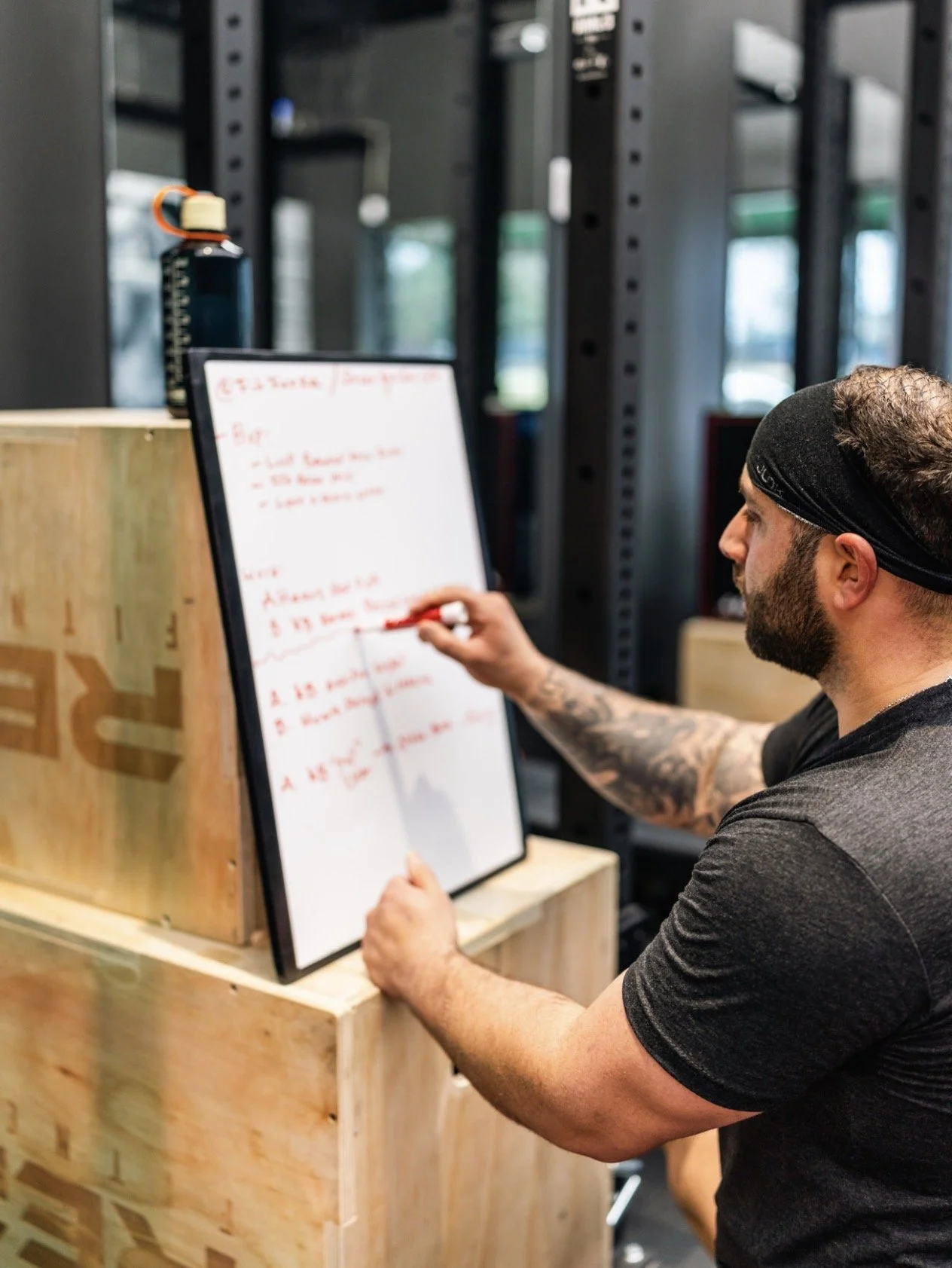
The Anatomy of a Training Session
Most people judge a training session by the exercises they see.
I judge it by the decisions they never notice.
The order of each movement, the progression, the timing, and the reason each exercise exists all matter. Good coaching isn’t about filling an hour with hard work it’s about knowing what to do, when to do it, and why.
Every exercise has a reason.
Every Minute Has a Purpose
One of the biggest misconceptions about personal training is that the session begins when the client walks through the door.
It doesn’t.
The session began long before they arrived.
Every session I coach is planned with intention. Every minute has a purpose. Every exercise has a reason for being there, and every transition should move the client one step closer to the objective of that day.
One of the first things many of my clients notice isn’t that they’re lifting heavier weights.
It’s that the beginning of the workout starts feeling easier.
The warm-up that once left them breathing hard becomes routine.
The mobility drill that once felt awkward becomes fluid.
The preparatory movement that once exposed a limitation becomes second nature.
Those changes aren’t accidental.
They’re evidence that the body is adapting.
Over the years, I’ve developed a consistent rhythm to the way I coach. I don’t believe clients should walk into a session wondering what comes next. A predictable structure builds confidence, allows me to manage time effectively, and gives each part of the session a clear purpose.
The framework stays consistent.
The content changes.
That’s an important distinction.
I don’t believe in changing exercises simply to keep someone entertained. The body adapts through repeated exposure to meaningful stress. Sometimes that means introducing a new variation. Other times it means repeating the same movement for several weeks because that’s exactly what the client needs.
Every exercise also has an order.
Should today’s session begin with heavy unilateral work before progressing to bilateral movements?
Maybe.
Or should I establish force production with a heavy bilateral movement before transitioning into split-stance or single-leg work that challenges stability and balance?
Maybe.
I’ve programmed both approaches countless times.
There are days when I’ll intentionally fatigue one side independently before moving into a more mechanically advantageous position so the client can safely accumulate more quality work.
On another day, I’ll reverse that sequence entirely because the objective of the session demands something different.
Neither approach is universally right.
Neither approach is random.
Every decision serves the goal of that day’s session.
One principle rarely changes, though.
The work that matters most gets done first.
If today’s priority is building strength, improving balance, restoring a movement pattern, or developing power, that’s where I begin. Life happens. Clients arrive late. Conversations run long. Energy fluctuates. If time becomes limited, I want to know we’ve already accomplished the work that will move the client closest to their goal.
People often think programming happens at the weekly or monthly level.
It does.
But I’ve always believed that great coaching lives inside the individual session.
One movement should prepare the client for the next. Fatigue should be managed, not ignored. Complexity should be earned, not assumed. Every exercise should have a reason for existing beyond filling sixty minutes.
The client experiences an organized workout.
I experience a series of coaching decisions.
That’s the part most people never see.
It’s also the part that matters most.
Not because the exercises themselves are special, but because knowing what to do, when to do it, and why to do it is what separates coaching from simply writing down a workout.
— Aaron Reyes
Owner, Tribe Fitness Exclusive Training
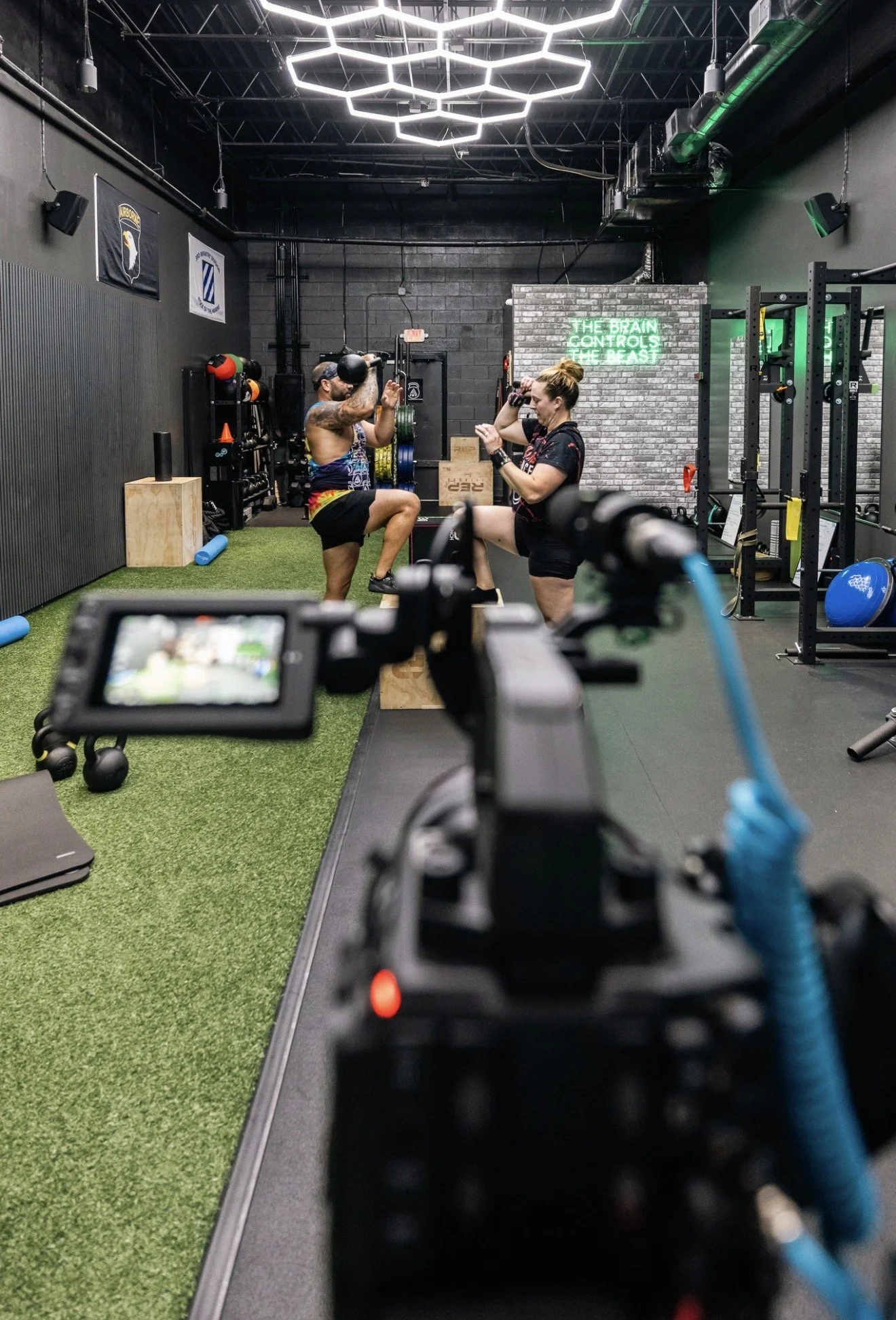
Fitness Isn’t Entertainment
The incentives of social media are fundamentally different from the incentives of good coaching.One rewards attention. The other rewards progress
good coaching serves the client, while good content often serves the algorithm. Those two goals sometimes overlap—but they are not the same.
When I opened Tribe Fitness, I knew one thing immediately.
Our facility wasn’t on a busy road. We didn’t have thousands of cars driving past our front door every day. If people were going to find us, I was going to have to build a digital presence.
Before that, social media barely existed in my life.
During the fire department, the Army, and the Department of State, I might post a workout once in a while or share a major life event—a wedding, the birth of a child, something meaningful. That was about it.
Opening a business changed that.
Suddenly I wasn’t just a coach. I was expected to become a content creator.
And that learning curve challenged me far more than I expected.
After a few years of putting myself out there, I’ve learned something that I think more and more people are beginning to realize.
Social media isn’t reality.
Not when it comes to life.
Not when it comes to time.
Not when it comes to body composition.
Not when it comes to health.
And certainly not when it comes to training.
The platforms reward novelty.
The fitness industry has become filled with “hot takes,” miracle exercises, revolutionary shoulder workouts, secret glute activations, and elaborate movement combinations that promise to change your life.
The reality is much less exciting.
The strongest, healthiest, most capable people I know didn’t become that way because they found the newest exercise.
They became that way because they mastered the fundamentals.
Years of repetition.
Years of consistency.
Years of showing up.
In the military we didn’t become proficient by constantly inventing new tactics. We became proficient by rehearsing the basics until they became automatic. Under stress, people don’t rise to the occasion—they fall back on their level of training.
The human body isn’t much different.
Strength is built through repeated exposure.
Movement quality is built through repetition.
Confidence is built through competence.
Adaptation requires consistency.
That doesn’t mean novelty has no place.
Far from it.
I coach with barbells, kettlebells, landmine systems, sleds, bodyweight movements, carries, medicine balls, and dozens of exercise variations. A goblet squat, Hatfield squat, split squat, single-leg squat, or front squat all have value.
Those aren’t gimmicks.
They’re tools.
Different tools solve different problems for different people.
But constantly changing exercises simply to keep someone’s attention isn’t coaching.
Sometimes your body needs a few boring weeks.
Sometimes progress looks like repeating the same movement until your technique improves, your confidence grows, and the weight becomes a little heavier.
That doesn’t make for a viral video.
It does make for long-term progress.
One of the biggest problems with entertainment fitness is that people are shown the final product without ever seeing the foundation.
A coach performs an advanced kettlebell flow.
Someone demonstrates an explosive three-piece landmine complex.
A dynamic jumping progression gets millions of views.
What isn’t shown are the months—or years—spent earning the ability to perform those movements safely.
People see the highlight.
They don’t see the foundation.
Real coaching starts with asking a different question.
Not, “What’s the coolest exercise?”
But, “Is this person ready for it?”
Can they squat?
Can they hinge?
Can they stabilize?
Can they produce force?
Can they absorb force?
Can they control their own body before adding speed, complexity, or load?
If the answer is no, the responsible thing isn’t to entertain them.
It’s to prepare them.
I’ve spent enough time around physical therapists, physicians, strength coaches, tactical athletes, and everyday people to know this:
The basics are never beneath you.
They’re what allow everything else to exist.
The goal of training isn’t to impress people scrolling past your video.
The goal is to make your life better outside the gym.
To carry your kids.
To recover from surgery.
To move without pain.
To stay independent as you age.
To become stronger than the problems life eventually puts in front of you.
Those things aren’t flashy.
They don’t always generate clicks.
But they’re real.
And in the end, reality is what we’re training for.
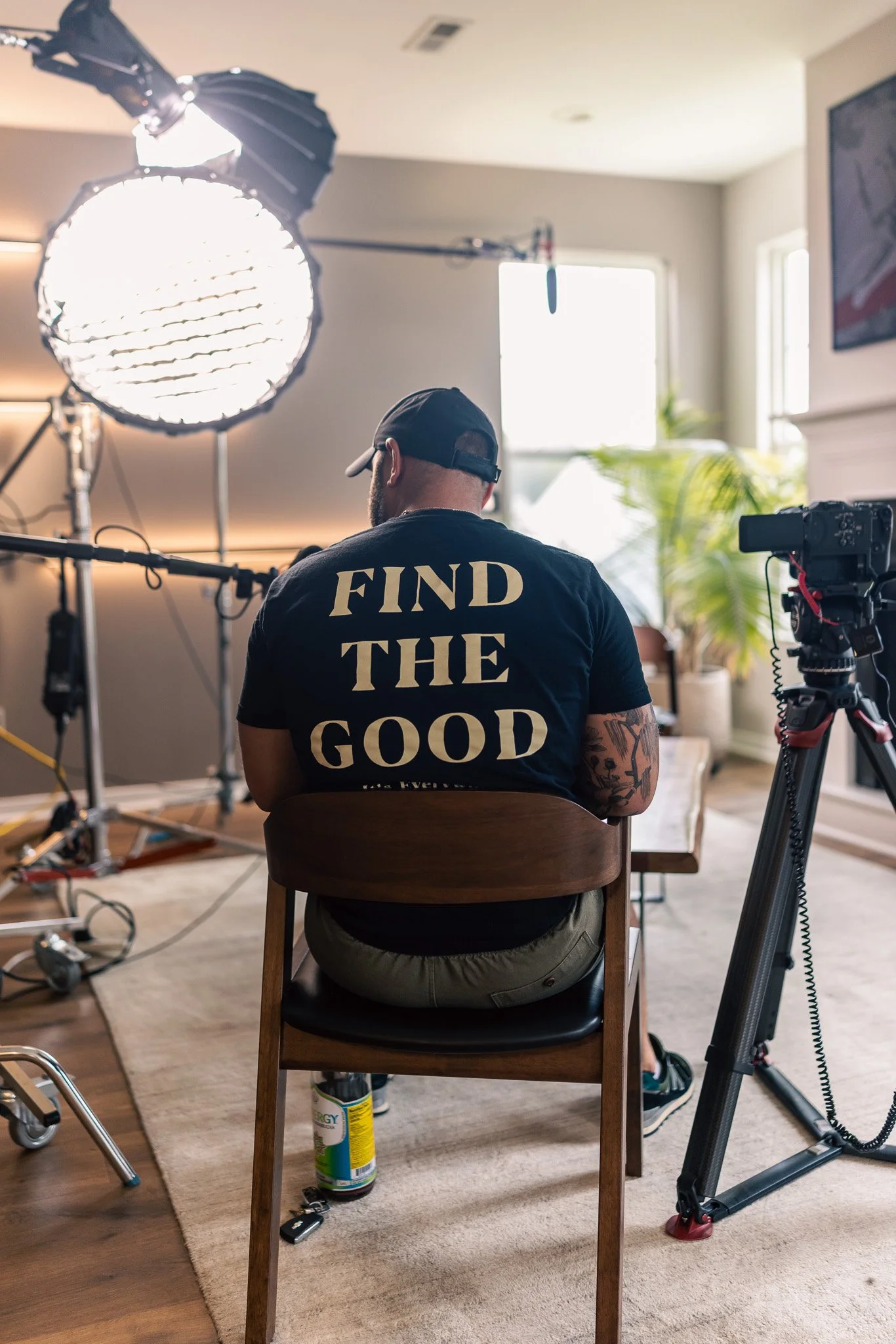
The Capability Bank
Every one of us has a bank account. Not the one you log into on your phone a capability bank. Every workout, every walk, every healthy meal, every difficult decision to stay consistent is a deposit. Because life doesn’t ask permission before making a withdrawal. The only question is what’s there when it does.
When someone walks through the doors at Tribe Fitness for the first time, I try not to overwhelm them.
We talk about their goals.
They might want to lose weight, build strength, recover from an injury, keep up with their kids, or simply feel capable in their own body again.
Those goals matter.
They’re why they came through the door.
But after we’ve spent enough time together, I usually let them in on something.
Those goals aren’t actually what we’re building.
We’re building their capability bank.
I believe every one of us has a bank account.
Not the one you log into on your phone.
A capability bank.
Each choice we make is either a deposit or a withdrawal.
Workouts, walks, healthy meals, quality sleep, mobility work, and the decision to stay consistent when motivation fades all of these add up.
Individually, they feel small.
Ordinary.
Sometimes even boring.
But that’s how every worthwhile investment works.
It compounds.
The problem is that life doesn’t ask permission before making a withdrawal.
It doesn’t care whether you’re ready.
An injury, surgery, a diagnosis, stress, a demanding career, caring for children or aging parents, the loss of someone you love, or a business that suddenly becomes heavier than expected life simply reaches into the account.
The only question is what’s there when it does.
Several years ago I heard someone describe what happened after losing his father.
He had spent years strength training, competing in bodybuilding and powerlifting, making countless deposits into himself.
After his father passed away, there were days he wanted nothing more than to sit alone with a bottle and disappear from the world.
Instead, he kept training.
Not because lifting weights erased his grief.
It didn’t.
But because all of those years of investing in himself had built a person who knew how to keep moving, even when he didn’t want to.
That story has stayed with me.
Not because it was about strength training.
Because it was about capability.
I’ve thought about that many times.
I remember losing my grandfather and how badly it hurt.
Sometimes my mind drifts to losing my parents, my wife, my children the people I love most.
It’s an uncomfortable place to go, but most of us visit it from time to time.
I don’t know how I’ll handle those days if and when they come.
No one does.
But I do know what I can do today.
I can keep making deposits.
Not because they’ll protect me from grief nothing can—but because I want to meet whatever life asks of me with as much capability as I can build.
I’ve had my own withdrawals.
Ulcerative colitis.
Multiple surgeries.
Watching my oldest son spend weeks in intensive care.
Building a business that has tested me in ways I never expected.
None of those experiences asked whether I felt ready.
They simply arrived.
Looking back, I don’t think strength made those moments easier.
I think it gave me something to draw from.
Enough capability to keep showing up.
To keep moving.
To take one more step.
People often say the mind follows the body.
I’ve never been completely convinced.
I think the body often follows the mind.
Long before we become capable, we have to believe we’re capable.
We decide who we’re going to be before life tests whether we meant it.
Then, little by little, our actions begin catching up with our beliefs.
Workout by workout.
Meal by meal.
Conversation by conversation.
Day by day.
Deposit after deposit.
Until we realize we’re handling things that would have once broken us.
That’s what we’re really doing at Tribe.
Yes, we’re helping people become stronger.
We’re improving movement, building muscle, increasing endurance, and helping people lose body fat.
Those things matter.
But they’re not the destination.
They’re the tools.
The real goal is increasing your capacity to live well.
To carry your children.
Recover from surgery.
Help a friend move.
Travel.
Hike.
Age without surrendering your independence.
To keep saying yes to life for as long as possible.
And when life inevitably asks something difficult of you, to have something left to give.
One of the reasons I care so deeply about this philosophy is because I want more time.
More dinners with my family.
More conversations with friends.
More holidays and birthdays.
More opportunities to watch my boys grow into men.
I make these investments because I want to enjoy as many of those moments as I can.
And I encourage the people around me to do the same.
Not because we can avoid aging, illness, or loss—we can’t but because we might meet those moments healthier, stronger, and more capable.
And maybe create a few more good years together before they arrive years we’re present for, capable within, and grateful we prepared for.
That’s what I believe strength really is.
Not a number on a barbell.
Not a trophy.
Not a physique.
Strength is the reserve you’ve built before life asks you to spend it.
Keep making deposits.
Because one day, when life makes its withdrawal, you won’t just be hoping you’re ready you’ll be grateful for everything you’ve already built.
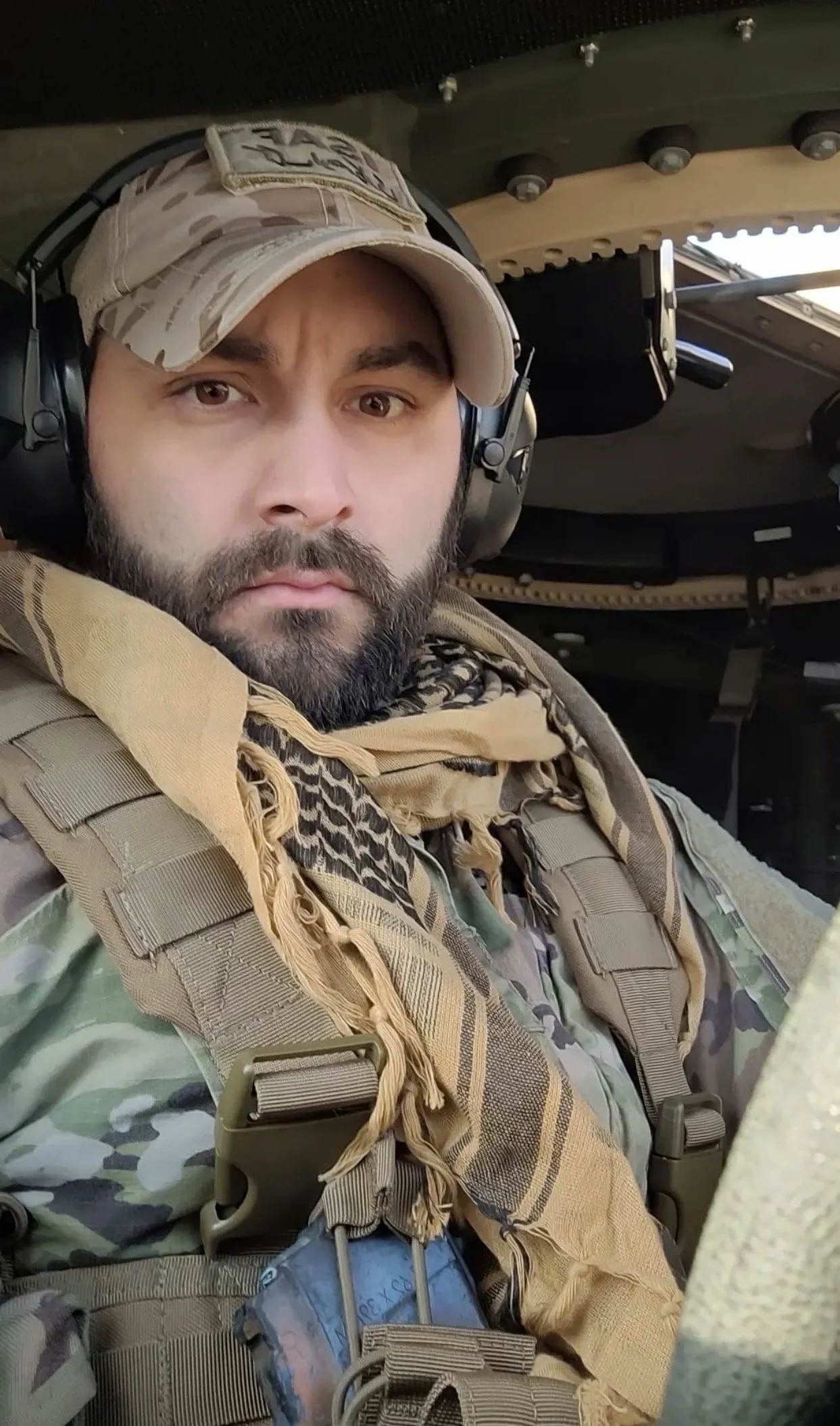
Adjusting Fire
In the military, adjusting fire meant changing your point of aim after gathering new information. You didn’t stubbornly continue firing at the wrong place simply because that’s where you started. You adapted. You corrected. You moved toward a better outcome.
For most of my adult life, I lived in careers that required me to be switched on.
Before the military, I spent five years in the fire service. Then came nearly nine years in the Army as a Combat Medic. After that, I returned briefly to the fire department before accepting a position with the Department of State, where another five years of operational medicine, instruction, travel, and protective environments followed.
Looking back now, I don’t think I ever truly slowed down.
The jobs were different, but the expectations were remarkably similar.
Stay alert.
Solve problems.
Move quickly.
Prepare for the worst.
Someone is depending on you.
Those careers don’t just ask for your physical effort. They shape the way your mind works. Hypervigilance becomes normal. High operational tempo becomes comfortable. Stress becomes familiar enough that, eventually, you stop recognizing it as stress at all.
Many veterans understand this. Many firefighters, police officers, paramedics, and protective professionals do too. We often leave one demanding career only to step directly into another. The mission changes, but the pace rarely does.
I did exactly that.
For years I thought that was simply who I was.
Then I opened Tribe.
Oddly enough, I didn’t notice the change immediately.
There wasn’t a single moment where everything slowed down.
Instead, over months, I realized something I hadn’t felt in a very long time.
Peace.
Not because owning a business is easy—it isn’t. There are financial risks, long days, difficult decisions, and responsibilities that never completely disappear.
But the nature of those responsibilities changed.
I spend my days helping people become stronger.
I coach.
I teach.
I laugh with clients.
I listen to music.
I have conversations that aren’t centered around emergencies, injuries, deployments, or worst-case scenarios.
The intensity turned down.
The passion never did.
I still love teaching.
I still love tactical medicine.
I still carry tremendous pride in every uniform I wore.
Those careers made me into the man I am today.
But for the first time, I found work that gives me energy instead of constantly demanding it.
That realization taught me something much bigger than career advice.
It’s never too late to adjust fire.
In the military, adjusting fire meant changing your point of aim after gathering new information. You didn’t stubbornly continue firing at the wrong place simply because that’s where you started. You adapted. You corrected. You moved toward a better outcome.
Life deserves the same approach.
The career you chose at twenty doesn’t have to define you at forty.
The body you’ve neglected for ten years isn’t condemned to stay that way forever.
The habits that got you here don’t have to take you where you’re going.
People often say life is short.
Sometimes it is.
But if we’re fortunate, life is also remarkably long.
Long enough to learn.
Long enough to recover.
Long enough to become healthier.
Long enough to start over.
Long enough to find peace where you never expected it.
Strength training has taught me that progress is simply a series of small adjustments repeated over time.
Life works much the same way.
Sometimes the strongest thing you can do isn’t holding your current course.
Sometimes it’s having the courage to adjust fire.
Aaron Reyes - Owner Tribe Fitness Exclusive Training
Why I Believe Strength Is the Foundation of Everything
Strength is the first physical quality because it allows every other quality—and every other responsibility—to exist.
Strength Is the Foundation
If you asked me to choose one physical quality that every person should pursue, regardless of age, occupation, or goals, my answer would always be the same.
Strength.
Not because it’s impressive.
Because it’s foundational.
Every other physical quality depends on it.
Power is simply strength expressed quickly.
Hypertrophy is built through repeated exposure to force.
Speed depends on the ability to apply force into the ground.
Balance, resilience, and even our ability to recover from injury all improve when we become stronger.
Before we can move well, we have to be capable of producing force.
Strength is the foundation upon which human performance is built.
But it goes far beyond the gym.
Strength determines whether we can stand from a chair without assistance.
Carry groceries.
Lift a child.
Climb stairs.
Catch ourselves when we trip.
Protect our bodies when life becomes physically demanding.
Without strength, independence slowly disappears.
That’s why I believe strength isn’t just another component of health.
It’s the foundation of health.
I learned that lesson long before I opened Tribe.
Years of living with ulcerative colitis eventually led to multiple abdominal surgeries. There came a point where surgery was unavoidable, and no amount of determination could change that.
But I often wonder how much worse it could have been had I not spent years making deposits into what I call the Capability Bank.
I couldn’t stop the illness.
I couldn’t avoid surgery.
But I had built a reserve.
That reserve helped me tolerate the disease longer, recover more effectively, and rebuild afterward.
Strength didn’t prevent hardship.
It gave me something to draw from when hardship arrived.
Life has a way of making unexpected withdrawals.
One of the greatest came when my oldest son spent 33 days in the NICU, followed later by another 28 days in the PICU.
Those weeks took everything.
Our sleep.
Our time.
Our emotions.
Our sense of normal.
During that season, I wasn’t chasing personal records or trying to become the strongest version of myself.
My responsibility was to be beside my son.
Some days, if I found thirty minutes to lift or go for a run, that was enough.
Not because I was trying to improve my physique.
Because movement reminded me that I was still capable.
It gave me clarity.
It gave me resilience.
It allowed me to walk back into that hospital room just a little steadier than before.
Looking back, our journeys weren’t all that different.
My son fought to heal.
I fought to heal.
Both of us were challenged physically.
Both of us had to rebuild.
Both of us needed strength.
That’s why I believe strength is so much more than muscles or numbers on a barbell.
Strength gives us options.
It gives us independence.
It gives us confidence when life becomes uncertain.
Most importantly, it allows us to continue showing up for the people who depend on us.
At Tribe, we don’t pursue strength because everyone wants to compete in powerlifting.
We pursue strength because life is unpredictable.
And when life eventually asks something difficult of you—and it will—I hope you’ve spent years making deposits before you’re forced to make a withdrawal.
Because strength isn’t built when you need it.
Strength is built long before you do.
Aaron Reyes - Owner Tribe Fitness Exclusive Training
There & Back Again
What Building Tribe Fitness Taught Me About Strength, Leadership, and Starting Over
Why Tribe Exists
There are moments in life when you realize you’ve somehow returned to where you started.
Not because nothing changed.
Because everything did.
As I sit here writing the very first entry of what I hope becomes years of sharing ideas, lessons, successes, failures, and everything in between, I keep coming back to one question:
How did I get here?
Not here as in Midlothian, Virginia.
Here—as the owner of a private strength training facility.
Because if you had asked me twenty years ago where I thought my life was headed, this probably wouldn’t have been the answer.
I grew up believing that a man’s purpose was found in service.
My parents raised my brother and me with values that became the foundation of everything that followed: work hard, be honest, stand up for people who can’t stand up for themselves, and leave the world a little better than you found it.
Those values first led me to the fire service.
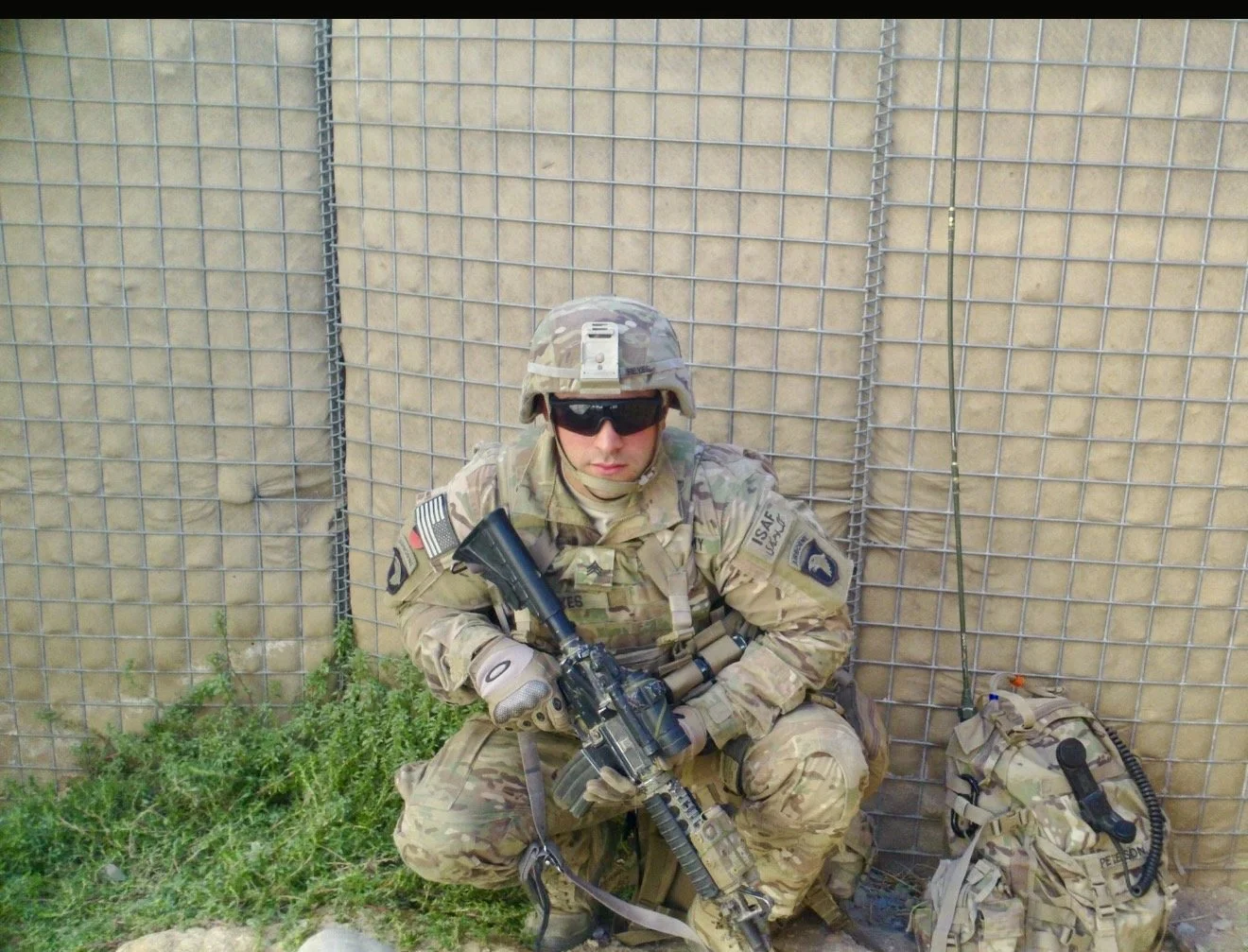
Then into the United States Army as a Combat Medic.
I was assigned to the 101st Airborne Division, 2nd Battalion, 502nd Infantry Regiment and deployed to Afghanistan in support of Operation Enduring Freedom.
Years later, while dating the woman who would become my wife, I deployed again—this time with the 3rd Infantry Division, 1st Battalion, 30th Infantry Regiment during Operation Atlantic Resolve.
People often ask what those experiences taught me.
The answer isn’t what most people expect.
I didn’t come home thinking life was about toughness.
I came home believing it was about preparation.
Preparation isn’t fear.
Preparation is respect.
Respect for the responsibility you’ve accepted.
Respect for the people counting on you.
Respect for the understanding that one day someone may depend on your ability to perform under pressure.
That lesson followed me everywhere.
It followed me into the Department of State, where I spent years teaching Tactical Combat Casualty Care and Operational Medicine to Diplomatic Security personnel preparing for assignments around the world.
It followed me while earning my bachelor’s degree during military service and later completing my master’s degree through Purdue University.
Eventually I found myself standing at a crossroads.
I had opportunities to continue serving in federal law enforcement.
The DEA.
The FBI.
Those weren’t dreams.
They were real opportunities.
They represented security, purpose, and careers I had worked hard to position myself for.
But somewhere along the way something changed.
I realized my greatest fulfillment wasn’t found in chasing the next title.
It was found in teaching.
Helping people.
Watching someone discover they were capable of more than they believed.
Around that same time, my own life began teaching me lessons I never expected.
Ulcerative colitis changed everything.
Three major abdominal surgeries forced me to slow down and confront something I’d spent most of my adult life helping other people avoid.
Vulnerability.
For someone whose identity had always been wrapped up in capability, it was humbling.
Strength suddenly looked different.
It wasn’t measured by a barbell.
It was measured by getting out of bed.
Walking another lap.
Choosing not to quit.
Strength training became part of rebuilding my life.
Not because I wanted bigger muscles.
Because I wanted my confidence back.
I wanted to prove to myself that although my body had changed, my future hadn’t been decided.
Through all of it, one person kept encouraging me to take a chance.
My wife.
While I was weighing career paths and trying to decide what came next, she challenged me to build something of my own.
She believed that everything I had experienced—military service, medicine, teaching, illness, recovery, leadership—could help people beyond a classroom or a government agency.
She believed I should spend my life doing what I loved.
She was right.
So I left.
Not because I had to.
Because I wanted to.
I chose uncertainty over comfort.
Purpose over predictability.
That decision became Tribe Fitness.
People often assume Tribe exists because I wanted to own a gym.
Nothing could be further from the truth.
Tribe exists because I wanted to build the place I wish more people had.
A place where coaching means more than counting repetitions.
Where privacy matters.
Where professionalism matters.
Where relationships matter.
Where strength isn’t reserved for athletes.
Where a grandmother preparing to play with her grandchildren receives the same attention as someone chasing a personal record.
Where preparation isn’t just for combat or emergency medicine.
It’s for life.
Today, I’m incredibly blessed.
I’m married to an incredible woman who believed in me long before Tribe had a name.
I’m the father of two amazing boys who remind me every single day why health matters more than appearance.
Every decision I make is made with them in mind.
I want them to grow up seeing that fulfillment isn’t found in taking the safest path.
It’s found in building something that serves others.
Looking back, I realize I didn’t leave service behind.
I simply changed uniforms.
The mission never changed.
I’ve spent my adult life preparing people for the moments that matter most.
Today those moments don’t happen overseas.
They happen in a private training studio.
They happen when someone picks up their child without pain.
When a father lowers his blood pressure.
When a mother discovers she’s stronger than she imagined.
When a veteran finds purpose again.
When someone who believed their best years were behind them discovers they’re just getting started.
That’s why Tribe exists.
Not to build stronger lifters.
To build more capable people.
Maybe that’s what “There and Back Again” really means.
Sometimes life takes you around the world only to bring you back to the values you started with.
Service.
Integrity.
Preparation.
Leadership.
Helping others.
Everything in between simply taught me how to live them more fully.
Welcome to the Tribe Journal.
This is where I’ll share what I’ve learned, what I’m still learning, and the lessons that continue shaping me—as a coach, a husband, a father, a veteran, and a business owner.
If this story resonates with you, I hope you’ll come back.
We’re just getting started.
— Aaron Reyes
Founder, Tribe Fitness Exclusive Training